













13 ASU engineering faculty earn the prestigious NSF CAREER Award
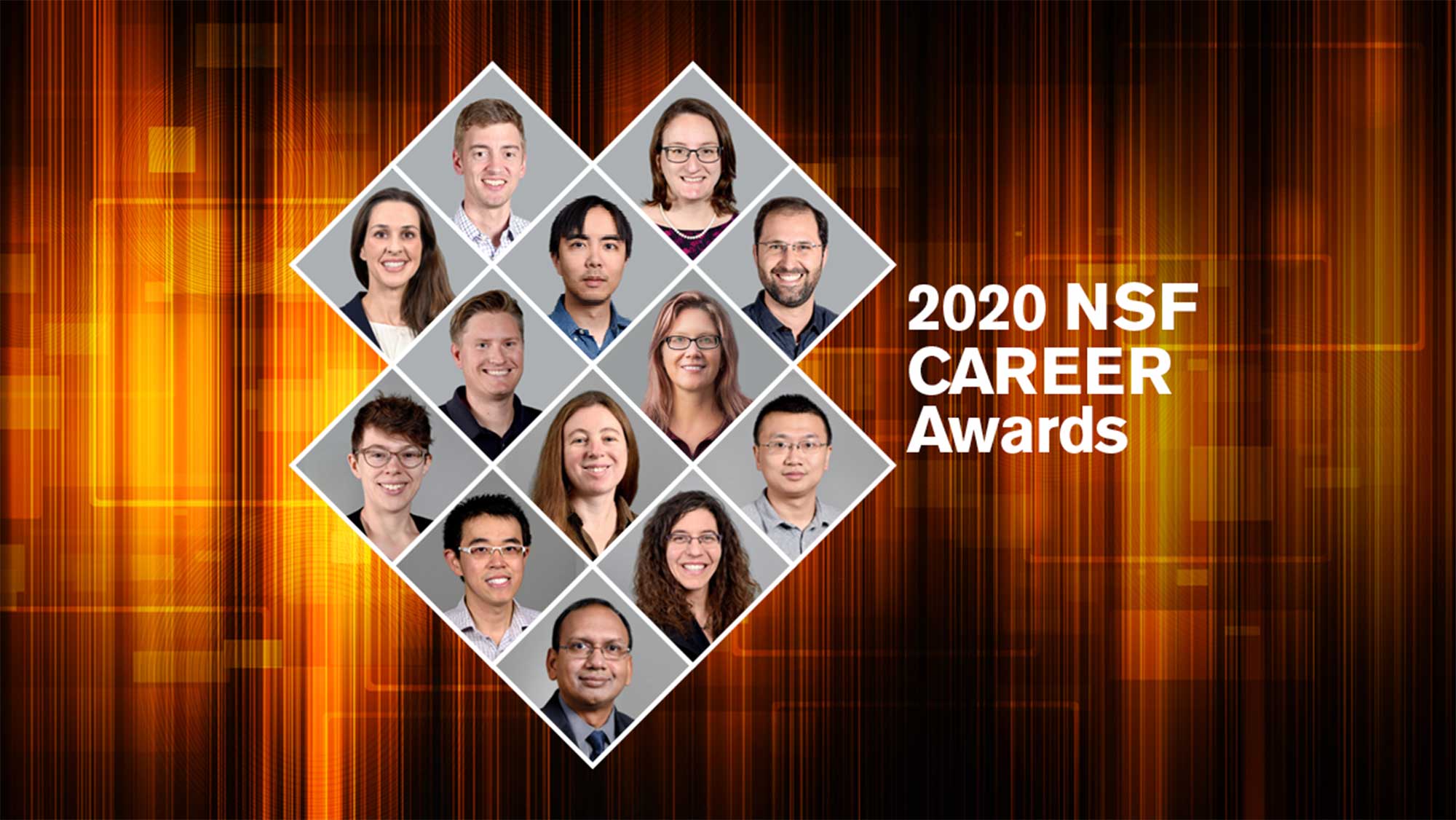
Thirteen faculty members in the Ira A. Fulton Schools of Engineering have received National Science Foundation Faculty Early Career Development Program (CAREER) Awards between November 2019 and August 2020. The awards total an estimated $6.9 million to fund projects over the next five years. Earning the NSF CAREER award is a hallmark achievement for early-career faculty members who have each developed a comprehensive plan to conduct impactful research and deliver a rich educational experience for students.
To date, 42 Fulton Schools faculty members have earned NSF CAREER Awards in the past five years.

Daniel Aukes
Assistant Professor Daniel Aukes is working to make the development pipeline for robots more accessible by taking advantage of affordable materials. Being able to produce robots quickly will allow non-robotics experts to prototype cost-effective specialist robots outside the laboratory environment.
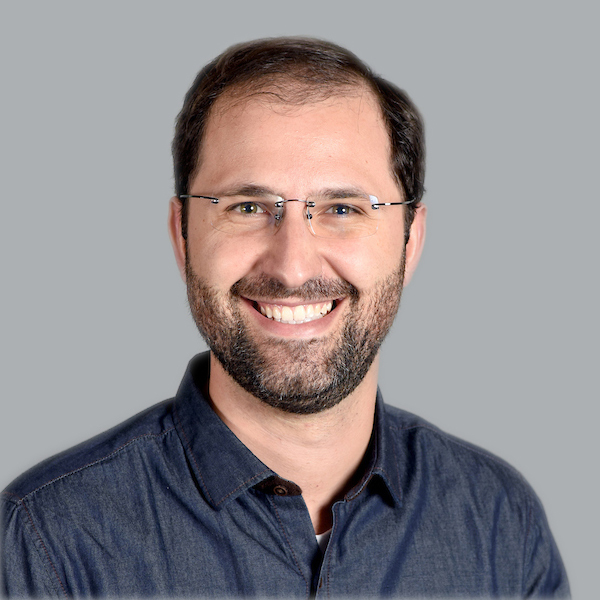
Bruno Azeredo
Assistant Professor Bruno Azeredo is developing a new 3D nanoscale manufacturing process to create advanced semiconductor devices. The Mac-Imprint method presses a catalytic mold against a semiconductor material like a silicon wafer to etch 3D structures in a way that does not destroy the semiconductor.

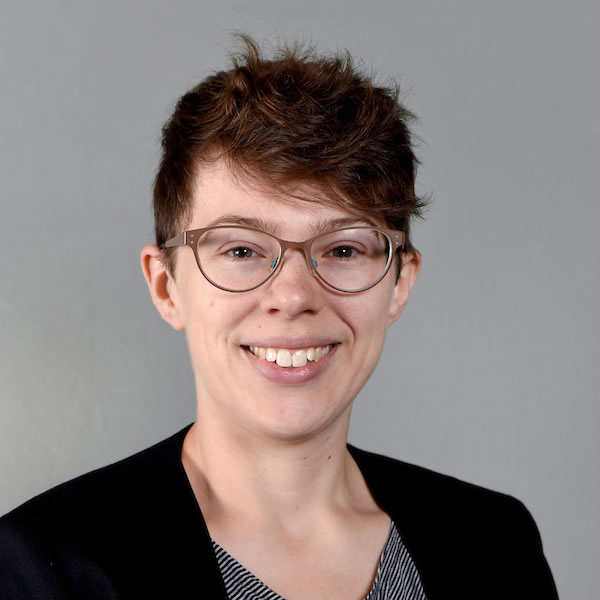
Samantha Brunhaver
Assistant Professor Samantha Brunhaver’s project focuses on providing engineering students and practicing engineers with publicly available online educational modules to help equip them with the necessary skills to adapt to the changing needs of the industry. She hopes to promote adaptability as a key outcome of engineering education and help diversify the workplace.
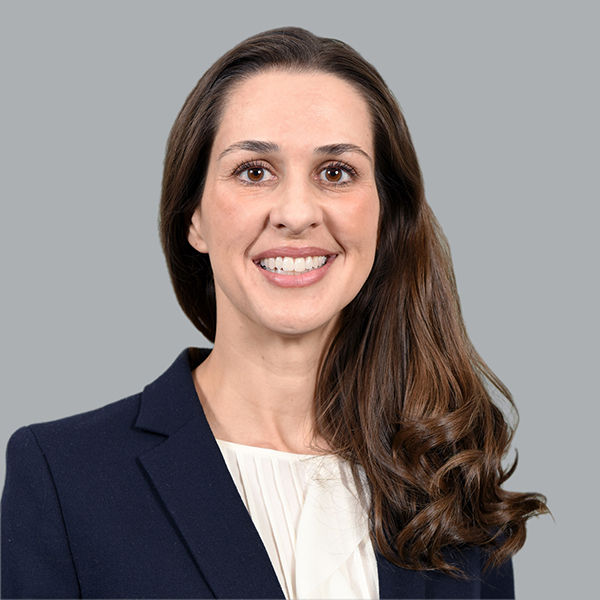
Margaret Garcia
Assistant Professor Margaret Garcia is developing a set of models to help policymakers make informed decisions about water use and infrastructure in regional water supply networks. She plans to examine historical and projected regional water systems, and simulate routine water infrastructure operations and adaptive changes to better assess how changes will affect local and systemic resiliency.
Jennifer Kitchen
Assistant Professor Jennifer Kitchen is working to automate the design process of power electronics, and the systems of circuits that regulate the flow of power through electronics. With automation, power electronics can be developed at a quicker rate, leading to a future of low-cost, energy-efficient and high-performing power electronics for all types of electronic devices.
Robert LiKamWa
Assistant Professor Robert LiKamWa studies how software and hardware work together so that computers can interpret the visual world through camera systems. His work will be useful for facial recognition, indoor and outdoor navigation and data visualization purposes.
Ariane Middel
Assistant Professor Ariane Middel studies urban climate, with a focus on artificial materials such as asphalt and concrete that are brought in to build cities. Her project investigates how these materials cause the thermal properties of cities to change, their impact on local climates and how people experience heat using atmospheric variables such as mean radiant temperature.

Brent Nannenga
Assistant Professor Brent Nannenga is exploring how biological molecules interact with inorganic nanomaterials. His innovative research applies cryo-electron microscopy to expand understandings of ferritin proteins. Nannenga is seeking to advance the rational design of biomolecules that can synthesize novel, highly controlled nanoparticles for a range of materials science applications.
Yulia Peet
Assistant Professor Yulia Peet’s research aims to provide a more complete understanding of the interaction between turbulent flow and deformable structures. She is working to develop a stronger theoretical groundwork for pursuing innovations in the prediction and control of turbulence to advance aerospace, mechanical, biomedical and energy engineering.
Barbara Smith
Assistant Professor Barbara Smith is developing a new tool to help researchers target specific cells to understand how addiction impacts cellular mechanisms in the brain. The first-of-its-kind tool, called FLAME, uses photoacoustics and fluorescence to target cells. FLAME can help understand other neurological diseases.
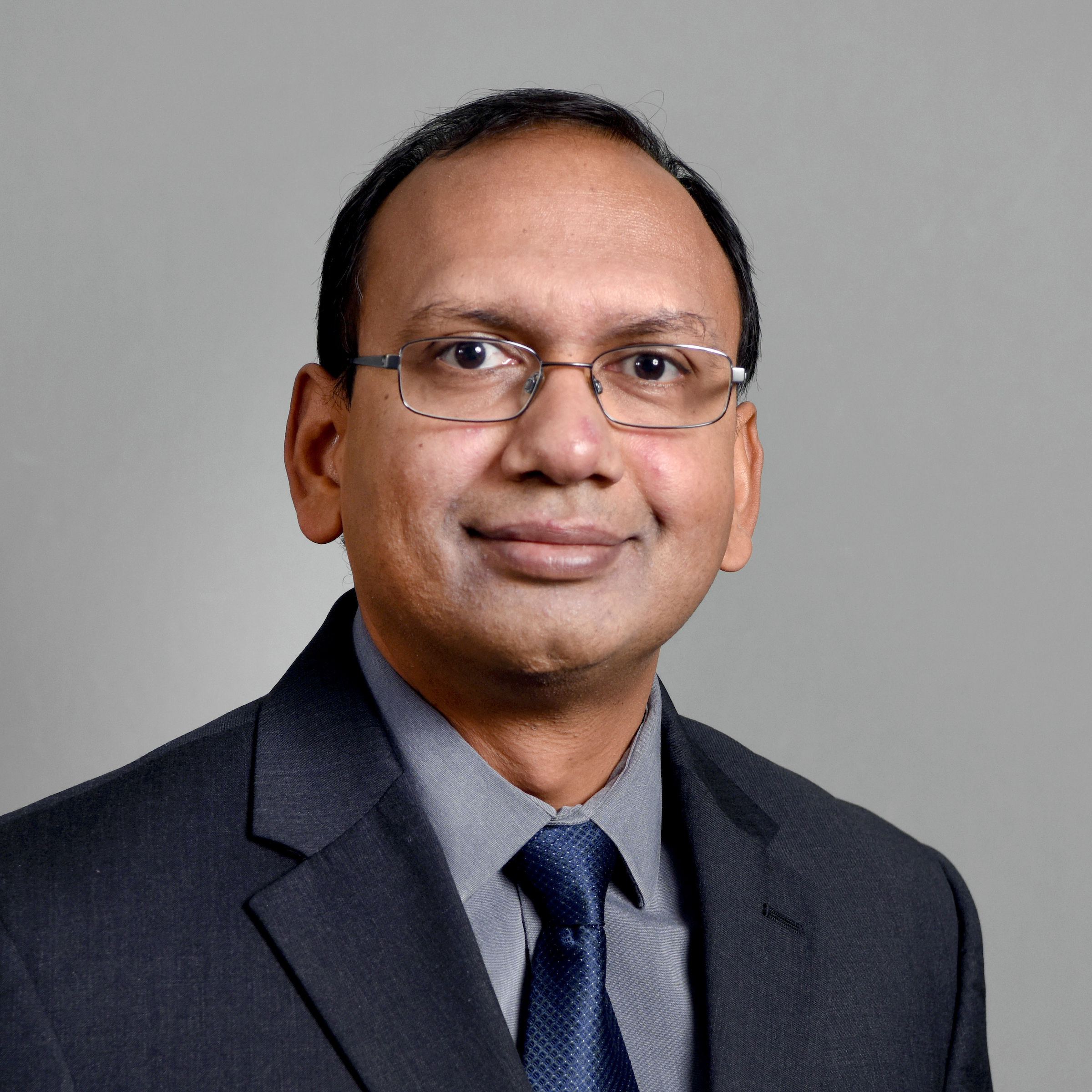
Siddharth Srivastava
Assistant Professor Siddharth Srivastava is developing intelligent robots and software agents that assist people in their daily lives. His innovative research focuses on formal frameworks, algorithms and implementations that allow autonomous agents to reason and act reliably and efficiently in real-world conditions.
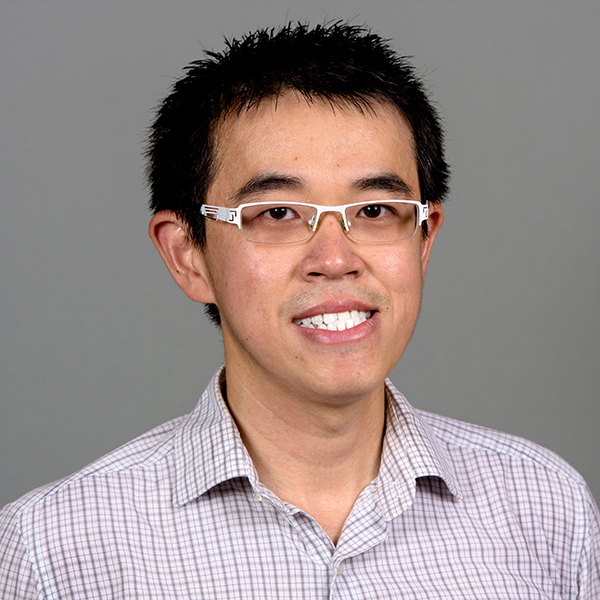
Sze Zheng Yong
Assistant Professor Sze Zheng Yong is working to provide a scientific basis to understand and leverage the interactions of artificial intelligence/cyber-human agents, their physical systems and their environment. He is developing control synthesis tools to reason about safety and security under real-world uncertainties.
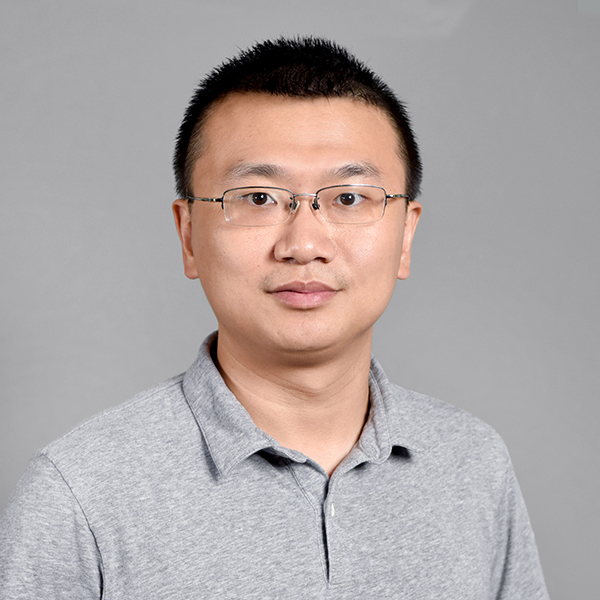
Wenlong Zhang
Assistant Professor Wenlong Zhang is investigating physical collaboration between humans and robots. His research seeks to equip robots with awareness of human motor dynamics and states of human cognition. Zhang is working to enable machine intelligence to anticipate and adapt to human intent in ways that improve performance across a variety of tasks and settings.